No less than twenty years ago, when we talked about “health”, it usually meant one of two things: joining a gym or adding more fruits to your plate. Wellness was a word you might’ve heard on Jane Fonda’s workout videos, and mental health? That word was only ever whispered.
Over time, we’ve learned that health isn’t just about physical routines; it’s a bigger picture. The mind and body aren’t separate; they’re in constant conversation.
No less than twenty years ago, when we talked about “health”, it usually meant one of two things: joining a gym or adding more fruits to your plate. Wellness was a word you might’ve heard on Jane Fonda’s workout videos, and mental health? That word was only ever whispered.
Over time, we’ve learned that health isn’t just about physical routines; it’s a bigger picture. The mind and body aren’t separate; they’re in constant conversation.
What is wellness, really?
When we talk about health and wellness today, it’s no longer limited to diet charts and workout routines. In fact, the World Health Organization’s main page on Health and Well-being data is completely focused on mental health.
As we become more and more aware, we now understand that mental health is just as important as physical health, and that one can’t exist without the other.
This awareness has changed how we take care of our well-being. The rise of health and wellness apps that track stress management and sleep, to the popularity of health and wellness retreats focused on mindfulness and emotional balance, are proof of this fact.
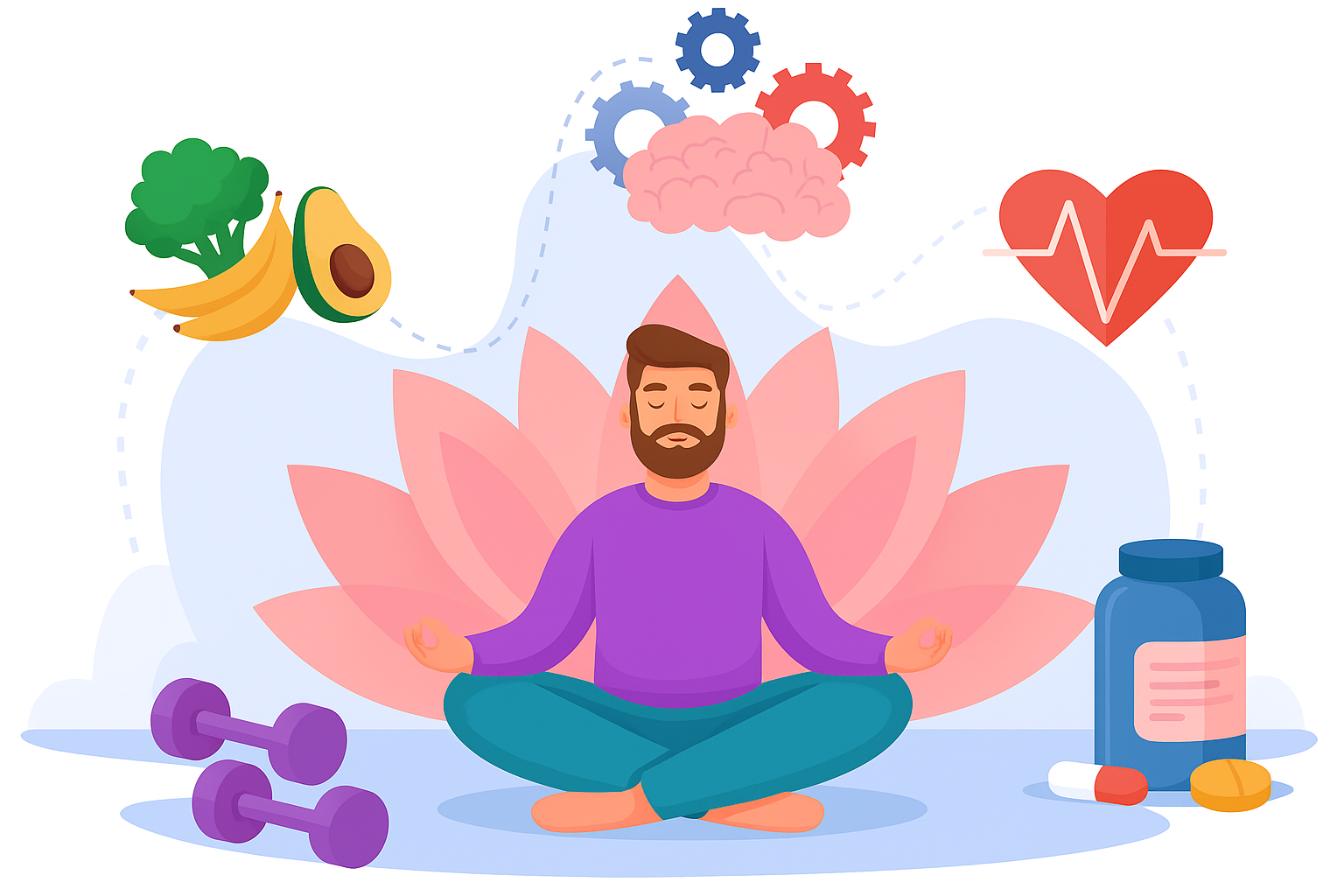
Real wellness is not found in a 30-day challenge or a bottle labeled “cleanse”. It lives in the small choices like what you eat, how you move, who you talk to, and how you rest. Some days it looks like a walk; other days, it’s saying no without guilt.
At its core, wellness means tending to both body and mind, consistently, kindly. Because that’s where resilience comes from: not pressure, but practice.
The mind-body link: It’s not just a myth
Science backs what we’ve long felt: the body keeps score. Take stress, for example. It’s been linked to headaches, muscle tension, and a weaker immune system. All because your mind said, “I’m overwhelmed.”
Here’s the fun science behind the “why”:
According to the American Psychological Association, it’s all thanks to a spike in cortisol, the body’s main stress hormone. When we feel overwhelmed or threatened, the brain activates the endocrine system. It sets off a chain reaction: Stress hormones like cortisol and adrenaline flood the body.
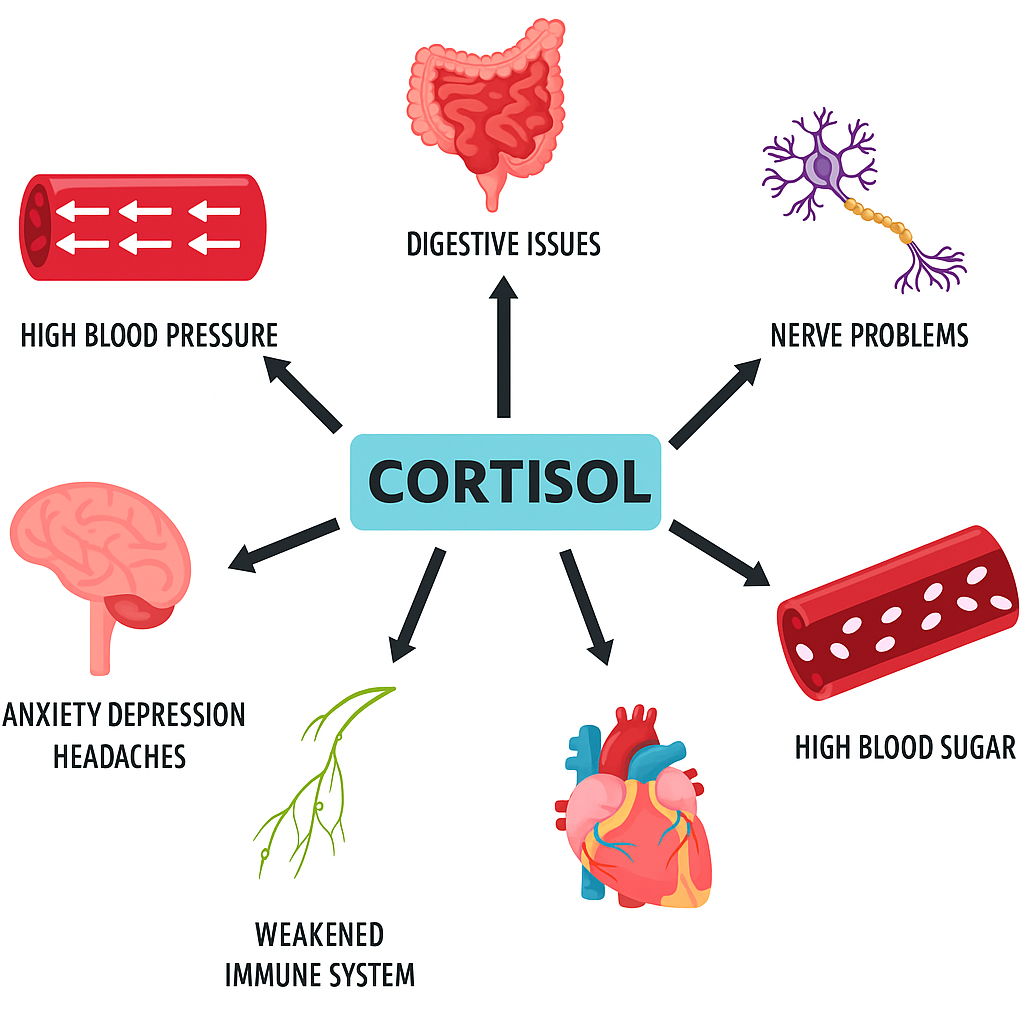
These hormones don’t just stay in the background; they cause muscles to tighten and inflammation to rise, preparing us for what’s known as “fight or flight.” The body braces. If that state sticks around, it turns into something else.
Tension that doesn’t ease becomes pain, especially in places like the neck, shoulders, and back. And then there’s that familiar feeling: Your stomach flipping right before something big. It happens because of the bidirectional gut-brain axis, where stress hormones influence digestion, and gut issues can send distress signals back to the brain.
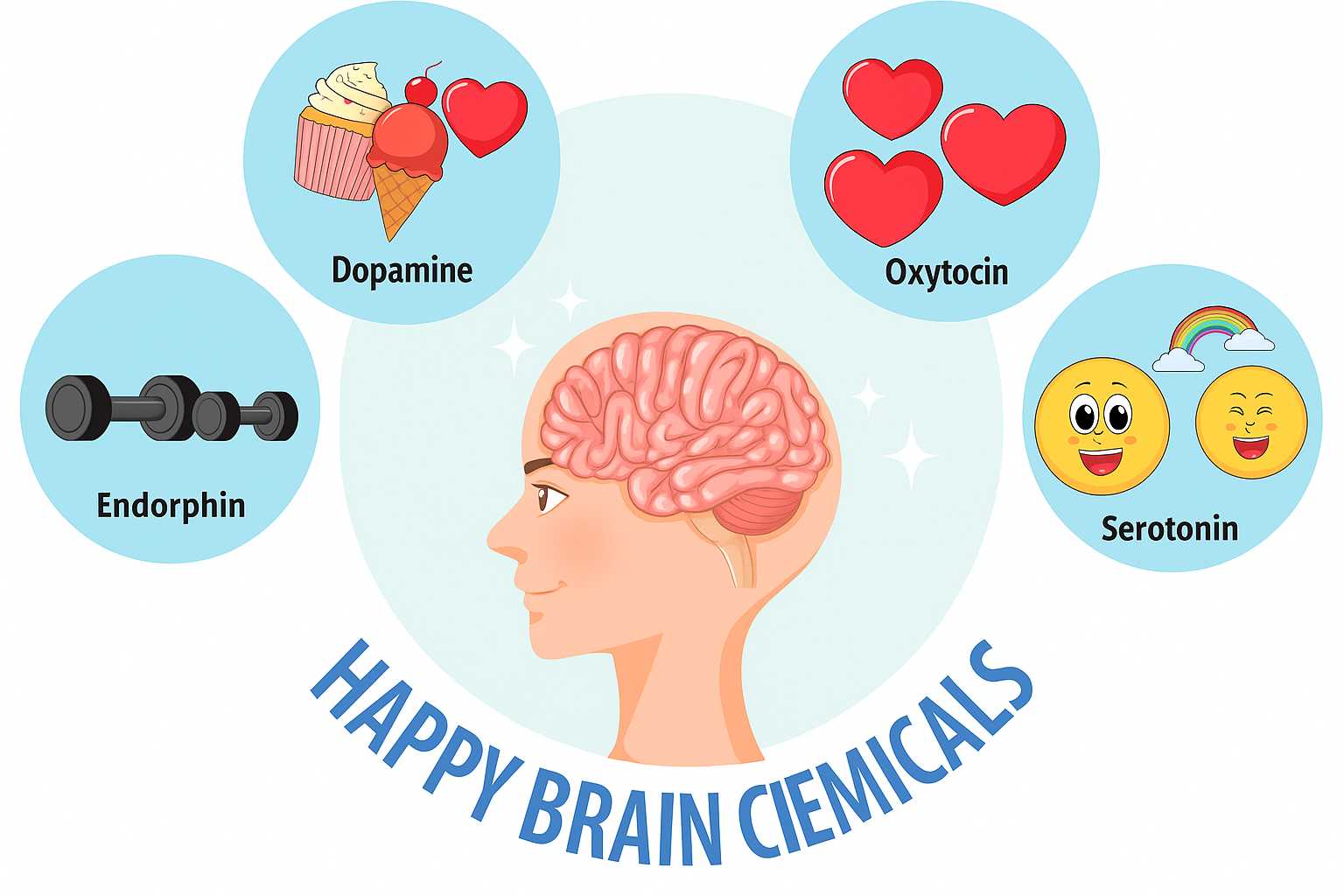
This holds true even for positive moments in life. When you’re ecstatic or happy, serotonin brings chills down your spine or fills you up with energy.
How mental and physical health affect each other
| When this happens | This often follows | What it means for health and wellness |
|---|---|---|
| Anxiety or depression | Tiredness, insomnia, weak immunity | Mental strain can drain the body, making you more prone to illness or burnout. Wellness means supporting both emotional and physical resilience. |
| Chronic illness (like arthritis, IBS, or migraines) | Mood swings, low motivation, irritability | Long-term physical issues can take a mental toll. True wellness includes emotional coping strategies, not just symptom control. |
| For example: Someone with chronic back pain | They stay away from social life, and become anxious about simple tasks | When one part of well-being breaks down, the other often follows. That’s why balanced health and wellness practices are important. |
Now that we’ve seen the importance of health and wellness on our mind and body, let’s see practical tips on how to tackle them on a daily basis!
Health and wellness tips: Keeping both mind and body in check
Caring for your health and wellness doesn’t mean you need to change your lifestyle dramatically. In fact, some of the most effective healing methods are surprisingly simple, and they work best when done consistently. Here are a few easy health and wellness tips to support you:
- Move your body; even a little helps
A short walk, a few stretches between tasks, or any light movement can ease stress and improve circulation. Physical activity also triggers mood-changing chemicals like endorphins and serotonin. These chemicals not only make you happy but also improve sleep and self-esteem. - Eat foods that energize, not drain
Meals rich in whole foods, like fruits, vegetables, grains, and proteins, stabilize energy and mood. Avoid the crash that follows heavy, ultra-processed meals. - A full, restful sleep is more effective than 10 hours of sleep
Poor, restless sleep doesn’t just make you tired; it affects memory, focus, immunity, and emotional regulation. Aim for a well-rested, uninterrupted sleep, even if it’s for a short time rather than long hours of improper sleep. - Talk it out. Seriously, to anyone
You don’t need to be in a crisis to talk. Regular check-ins with a friend, a therapist, or even just your journal can help offload emotional stress and make you feel more grounded. Even a good health and wellness app that comes with a journal gets the job done.
The best part about these habits is that they aren’t about perfection. They’re about small, steady steps that nurture your health and wellness from the inside out.
Red flags you shouldn’t ignore when your body is talking
Sometimes your body sends subtle signals that your mental or physical health needs attention. Ignoring them can turn small issues into bigger ones.
If you’re constantly tired, having trouble sleeping, or having frequent headaches or stomach issues, these could be signs of mental burnout (not just a busy week).
On the other hand, chronic physical conditions can wear you down emotionally. Feeling unusually irritable, anxious, or low on motivation for days at a time? That’s not something to brush off.
You don’t need to wait for a crisis to get help. If these signs persist or disrupt daily life, talking to a doctor or therapist can help. In case you prefer catharsis, you can also look at some health and wellness retreats.
Final thought: Health and wellness need careful planning
Good health isn’t something we stumble into; it’s something we build, one choice at a time. When the mind is overloaded, the body often speaks up. And when the body struggles, the mind feels the weight.
That’s why health and wellness aren’t about chasing perfection, but about staying tuned with yourself. A small pause, a tasty treat to fulfil cravings, a moment of movement, or a single honest conversation can change your anatomy.
Your brain and body are in this for the long haul, so it’s worth making sure they’re both heard, supported, and looked after.